
Blog
Children & Nature Network Advocates for Green Schoolyards
.jpeg)
Natural spaces come in all shapes and sizes, from national parks and wilderness areas to backyards and local greenways. It’s important to invest in conservation projects across this spectrum. Both the Yosemite Valley and neighborhood parks need our care and attention. The green schoolyards movement is placing a growing emphasis on increasing access to nearby nature in communities across the U.S. Green schoolyards are nature-rich environments on school grounds that provide spaces for students, teachers, and families to play, learn, and grow. While they’re centered around schools, green schoolyards are also accessible to all members of the community outside of school hours. Green schoolyards can include outdoor classrooms, pollinator gardens, nature-based playgrounds, edible gardens, walking paths, plants that offer shade cover, and infrastructure designed to mitigate climate impacts like flooding and extreme heat.
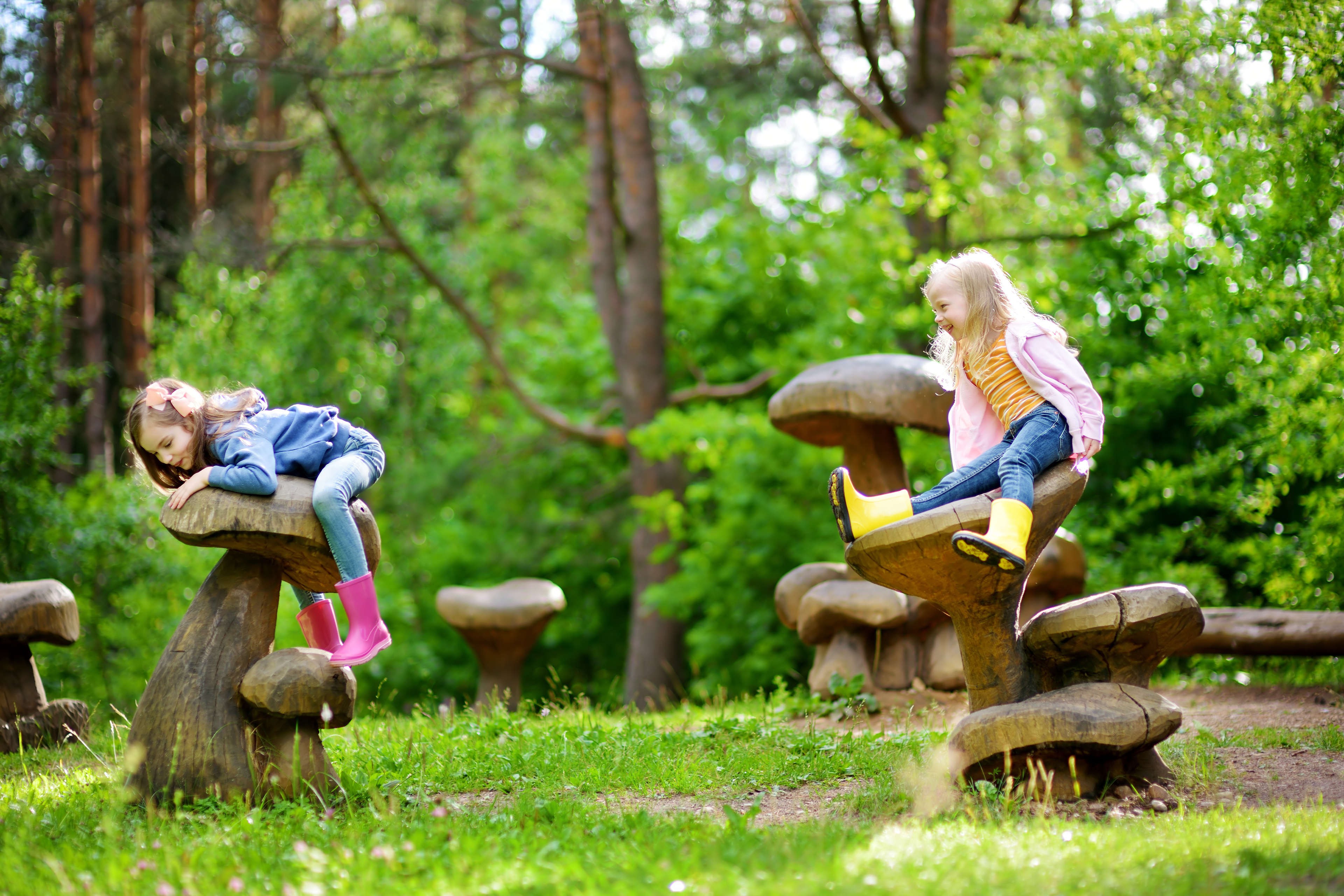
Investing in green schoolyards is important because it helps close the nature gap. Traveling to a national park requires time and money that not every family can afford. Bringing greenspace to school buildings, a place kids already visit every day, is a great way to help more Americans reap the benefits of time in nature. Whiter and more affluent communities tend to have more and better maintained parks, greenways, and other nature-filled spaces in the U.S. This leaves low-income communities and communities of color without access to safe natural spaces to relax, recreate, and connect with neighbors. The Children & Nature Network (C&NN) is working to remedy this inequity by convening movement leaders and hundreds of partners to create the Green Schoolyards Action Agenda. The action agenda pushes for cross-sector collaborations, a robust research agenda, investment of funding, and policy initiatives that support the introduction, maintenance, and effective use of greenspaces on school grounds.
"At a time when resources feel stretched and we're facing overlapping crises in climate, mental health, and education, we need solutions that get at the root causes - not just the symptoms. C&NN is honored to stand alongside hundreds of leaders in the green schoolyards movement in pursuit of that goal," states C&NN Director of Green Schoolyards and Communities Priya Cook.
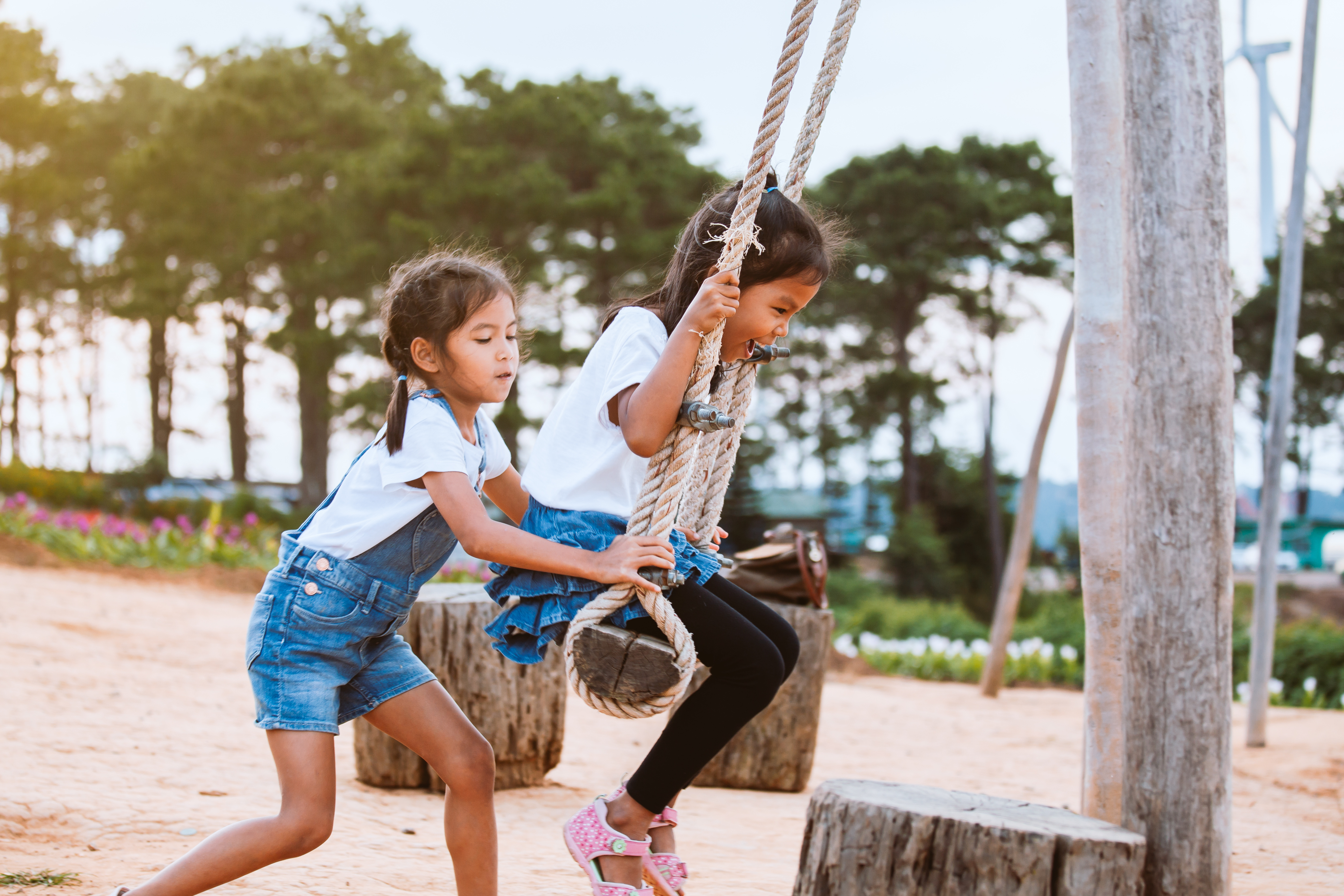
Access to greenspace is important for everyone, especially young people who are growing and changing quickly. Research shows that spending time in nature can boost both physical and mental health among kids. Among other physical health benefits, early exposure to greenspace can improve immune system function and support healthy respiratory and neurological development. Nature-based activities are also linked with happiness and emotional wellbeing as well as the development of pro-social behaviors in children. In addition to positive health outcomes, studies demonstrate that time in nature can support learning and enhance an environmental ethic among young people. One study showed that more frequent visits to greenspaces helped young children focus and self-regulate better in a classroom environment. Nature-based education also has been shown to boost STEM-related knowledge and self-efficacy in students of color. Beyond classroom outcomes, there is a wealth of research to support the idea that experiences in nature during childhood can help support pro-environmental attitudes and behaviors well into adulthood.
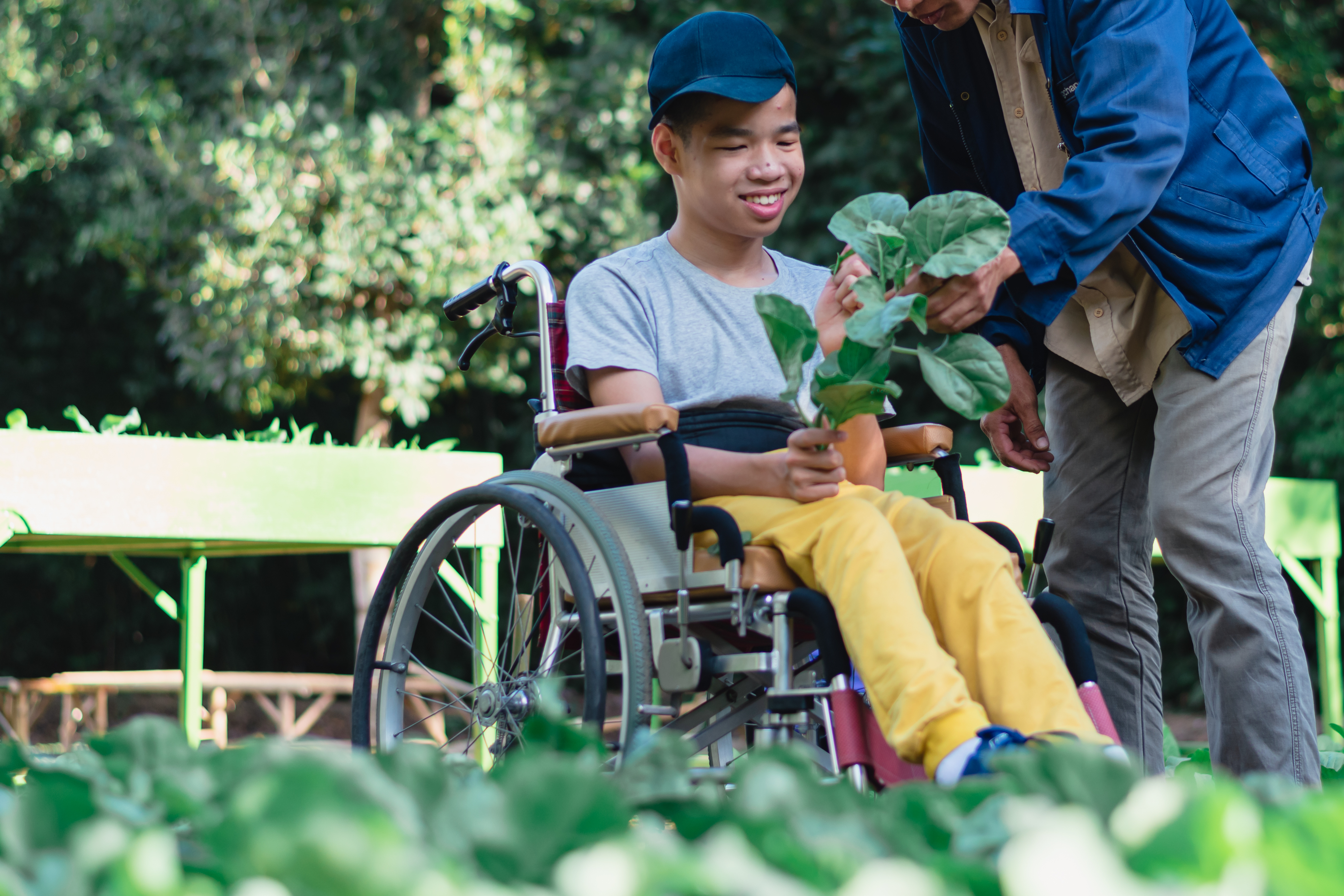
At NRF, we’re committed to supporting organizations that increase access to these benefits for all children. Green schoolyards are an important avenue to achieve this goal. Bringing safe, fun, natural spaces into neighborhood schoolyards can help more kids feel at home in their local environment and create community spaces that foster connectedness. We’re hopeful that one day, every child will have access to meaningful nature-based experiences, whether through green schoolyards or other forms of youth outdoor programming.