
Blog
Middle Childhood Needs Increased Focus

Many youth development interventions focus on two critical periods of childhood: the early years and the adolescent years. While there is a lot of data to suggest that these are the two greatest periods of change for youth, we also know that every year of childhood should be filled with growth and development. By continually emphasizing the importance of early childhood and adolescence, we sometimes forget about the years in between. Middle childhood, which includes ages six to twelve, is a time when kids’ brains are strengthening the connections formed in early childhood and are laying the foundations for more complex development during adolescence.

Kids need safe environments and healthy relationships with adults during middle childhood in order to form positive patterns that will last into adulthood. Unfortunately, pre-teens and other kids in middle childhood are experiencing rising rates of anxiety and depression, which is likely a precursor to the loneliness epidemic currently raging among adolescents. Because middle childhood has been left out of research and targeted programming for so long, some scientists call this period “the forgotten years.”We need to supplement existing interventions in early childhood and adolescence with additional support for kids in between. If we fail to pay attention to young people in middle childhood, the progress kids experience from interventions in early childhood may be lost and will have to be rebuilt during interventions in adolescence. While bolstering programs for elementary and middle schoolers requires an additional input of resources, it ultimately helps programs for pre-K kids and high schoolers be more efficient and successful.
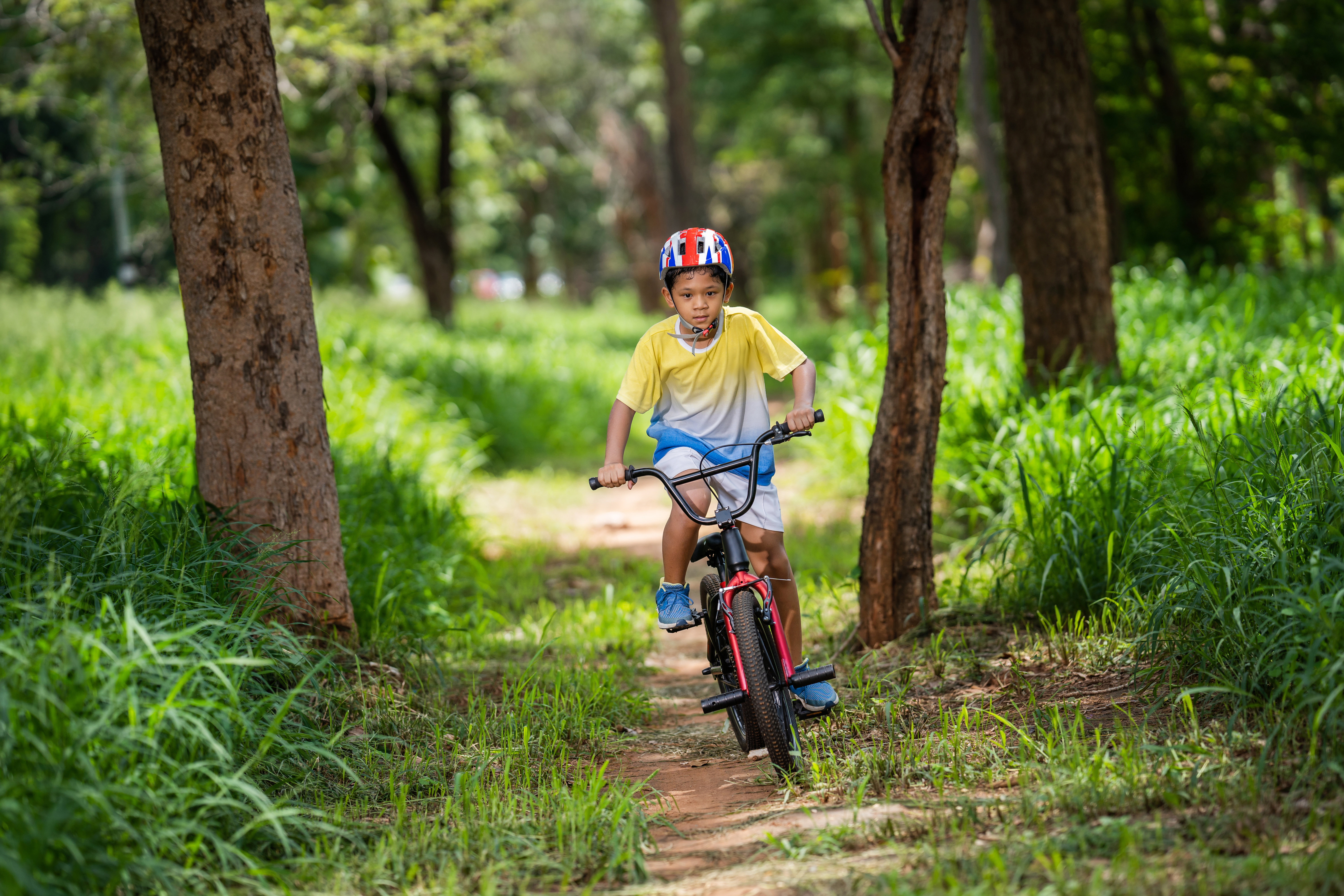
This kind of effort necessitates a community-wide approach. Schools should be responsive to the developmental needs of middle childhood, but we also need programming and mental health services that extend beyond school hours. Middle childhood is a vital time for social and intellectual exploration. After-school and summer programs help kids connect to peers, find mentors, and figure out their interests beyond the classroom. Kids in this age group are becoming more independent, beginning to test boundaries, and developing a sense of self. Sports, summer camps, and other forms of recreation give youth age-appropriate structures to engage in exploration while also boosting social connection.
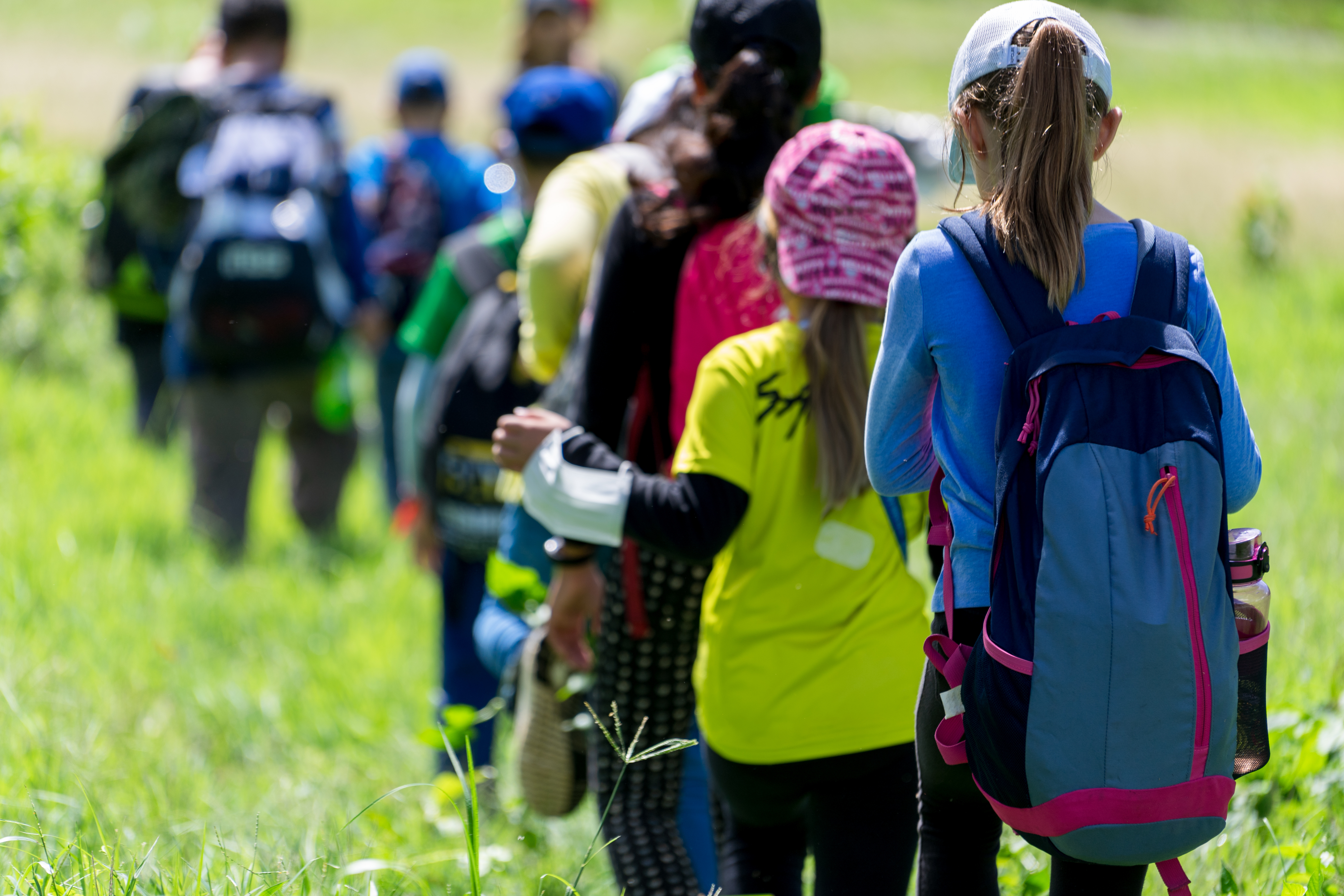
It is especially important to help make youth programming accessible to all kids in middle childhood. Programs like Head Start help kids of all income levels access support during early childhood. Similarly, kids in middle childhood should not miss out on out-of-school programming simply because their families can’t afford expensive camps or they live in an area with less resources. This is why NRF is proud to support organizations that boost access to meaningful recreation experiences for all kids ages six to twenty-four.