
Blog
Nature Gap Report Emphasizes the Importance of Nature Access
.jpeg)
At NRF, we’re invested in helping kids spend time outside for many reasons. Outdoor recreation is joyful, and kids deserve opportunities to have fun. We are, however, driven by more than a desire to connect kids to fun experiences. We know that access to nature is essential for the mental and physical health of all humans. We also know that promoting access to nature is essential for environmental health and the future of our planet. Human wellbeing is inseparable from environmental health.
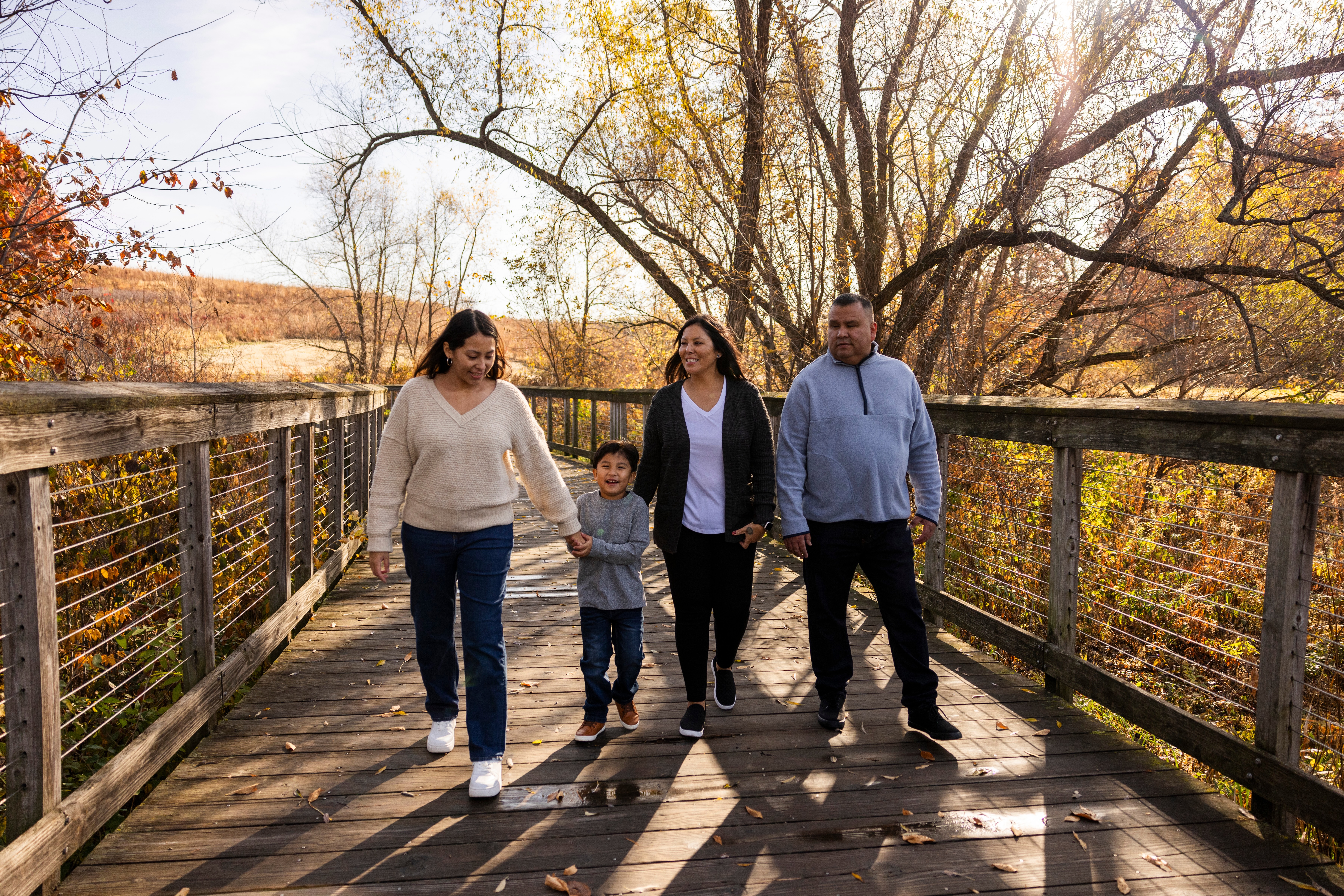
The Nature Gap, a 2020 report from the Center for American Progress (CAP), the Hispanic Access Foundation, and Conservation Science Partners (CSP), provides a wealth of data to support these concepts. The 2020 report found that communities of color and low-income communities had significantly lower access to nature and fewer outdoor recreation opportunities than white communities and higher income communities. These communities also experienced many associated risks, including: lower drinking water quality, worse air pollution, higher vulnerability to heat, droughts, and floods, higher rates of disease exposure, and greater risk of harm from climate change impacts, such as severe storms.
.jpeg)
Five years later in 2025, CAP, CSP, and Justice Outside teamed up to revisit the Nature Gap report and provide updated data on issues of nature access. The updated report highlights many of the findings from 2020 and offers additional evidence which demonstrates how communities that experience the most significant nature loss also have the worst health outcomes. While the study found that the most acute nature loss is concentrated in urban areas on the East Coast, the data shows nature deprivation hot spots in every state in the continental U.S.

While everyone suffers as a result of nature loss, the study showed that people of color are three times more likely to live in a nature-deprived area than white Americans. This means that almost 75% of people living in nature-deprived places are people of color. Black and Latino Americans are especially affected. Over half of Black and Latino Americans live in nature-deprived areas. The analysis showed similar trends along economic lines. Just under 75% of households found in nature-deprived areas were low-income (earning below their state’s mean income) and 60% were below the poverty line, meaning they do not earn enough to meet basic needs. Just as it did in 2020, the 2025 Nature Gap report demonstrates that access to nearby nature is tied to longer life expectancies and improved health outcomes.

It is important to note that the disparities found in this study are not a coincidence. They are the result of long-term disinvestment in communities of color and low-income communities. This disinvestment comes in the form of government policies, zoning laws, inequitable conservation priorities, public health practices, and voter suppression. Although disparity in nature access is a critical issue, it is not all bad news. There are amazing people and organizations in every community working to protect the health of local environments and people. NRF is proud to be part of the nationwide effort to ensure that all kids and their families have safe places in their community to play, explore, learn, and grow outdoors.