
Blog
Wrap-Around Services Support Youth Outcomes

For many young people, the barriers that prevent them from accessing opportunities are more like webs than walls. There are often multiple, intersecting factors that make it difficult for young people to succeed rather than one big problem that can be solved with a single program or initiative. These can include issues like lack of access to transportation, housing or food insecurity, systemic discrimination due to marginalized identities, and lack of stable adult role models, among many others. This intricate web of factors that affect the daily lived experiences of youth complicates the work of youth-serving organizations in profound ways. To meaningfully serve kids, programs have to play whack-a-mole with issues that prevent kids from showing up or being fully present when they do. It’s not always enough to offer fun recreation opportunities; organizations often have to contend with a variety of dynamics affecting young people outside of program time.

One example of an effort to provide wrap-around services is the community schools movement. Community schools are public schools that work to meet the needs of the whole child and their family to help them be successful in the classroom and beyond. For example, community schools might offer health clinics and counseling services in an integrated services model that transforms schools into community hubs. Community schools also offer expanded learning time and additional child care through programs that extend after school hours and during school breaks. Community schools rely on partnerships with local organizations to offer many of their services, including educational and recreational programming during out-of-school hours. This collaborative model helps families access important community resources that ultimately allow kids to be happier, healthier, and more academically successful.
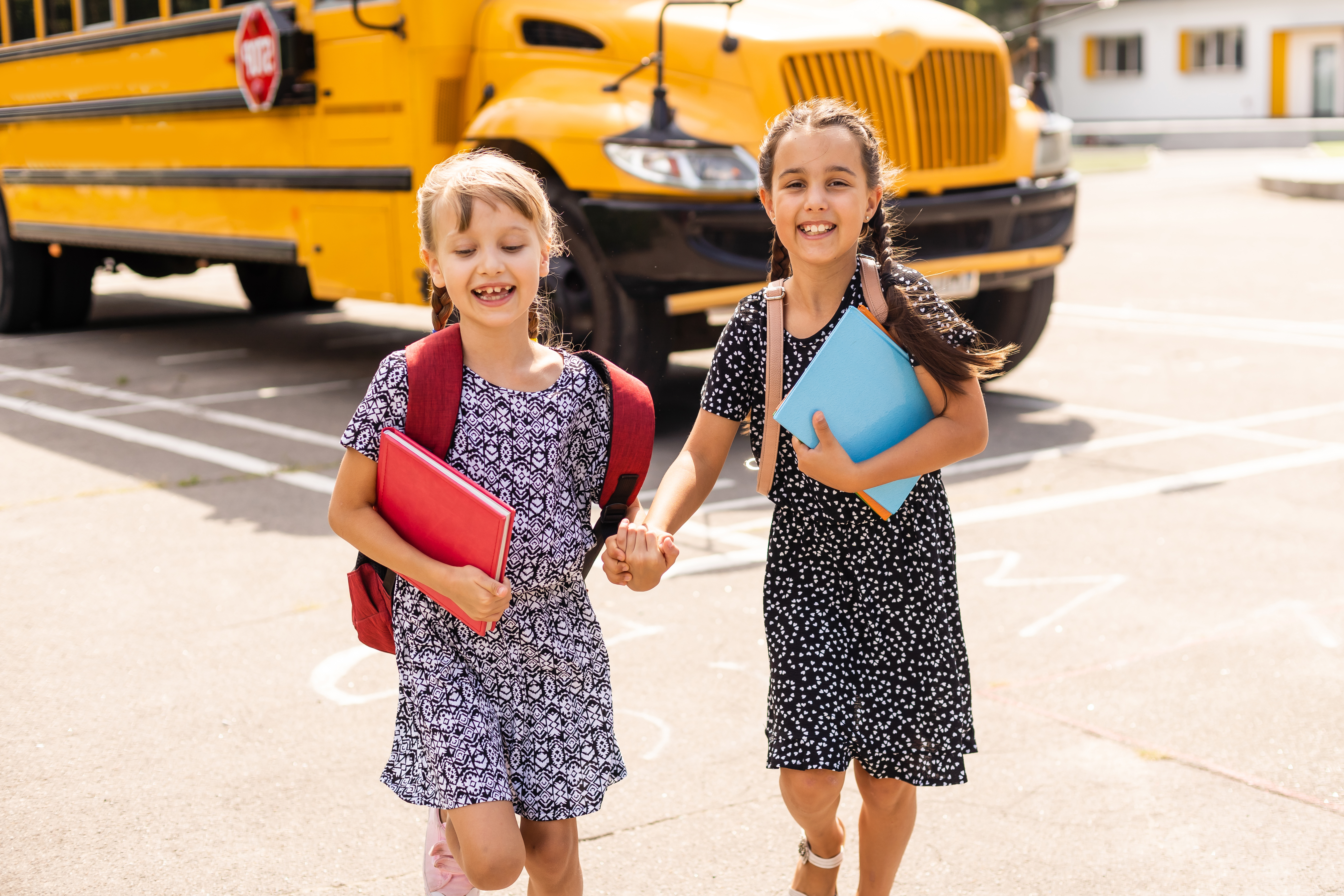
The wrap-around services approach has shown to be particularly important for kids in vulnerable situations, because it considers their whole experience rather than just focusing on one facet of their lives. This includes kids in the foster care or juvenile justice systems and kids who experience homelessness. Youth in these situations may be struggling to meet basic needs tied to their mental health or physical safety, which prevents them from consistent positive engagement at school and during extracurricular programs. Providing youth with trusted contacts to access necessary resources within an integrated system has be shown to boost academic performance, increase school attendance, and improve mental health.

Many NRF grantees integrate additional services into their recreation programming. In many cases they are solving issues of transportation access, increasing reliable access to food, providing childcare during out of school hours, thereby creating a network of support that allows for mental health interventions when necessary. NRF is proud of the work grantees do, both to increase access to recreational experiences, and to make their communities a safer and more caring place for all kids to grow up.