
Blog
- access to greenspace (1)
- access to nature (3)
- action agenda (1)
- adolescence (2)
- adolescent pressures (1)
- advisory council (1)
- afterschool programming (1)
- afterschool programs (3)
- agricultural economies (1)
- agricultural education (1)
- air pollution (1)
- altruism (1)
- american camp association (1)
- american teenagers (1)
- aspen institute (1)
- barriers to access (1)
- barriers to recreation (1)
- bicycle ride across georgia (1)
- bikepacking (1)
- black history month (1)
- black kids adventures (1)
- blue sky funders forum (1)
- boatbuilding (1)
- brothers on the rise (1)
- brown girls climb (1)
- burnout (1)
- Camping & Education Foundation (1)
- career exploration (1)
- career path (1)
- center for american progress (1)
- center for digital thriving (1)
- center for healing and justice through sport (1)
- center for recreation education arts technology and enterprise (1)
- charles crenshaw (1)
- chicago (3)
- children & nature network (1)
- cincinnati (1)
- city planning (1)
- City Sailors (1)
- classroom resources (1)
- climate anxiety (1)
- climate change (5)
- climate change mitigation (1)
- climate research (1)
- climate solutions (1)
- coach training (1)
- community action (1)
- community connection (1)
- community organizations (1)
- community partners (1)
- community partnership (1)
- community programming (1)
- community schools (1)
- community science (1)
- community wellbeing (1)
- connection to nature (3)
- Conservation Leadership (1)
- conservation science partners (1)
- CREATE (1)
- cultural connection (1)
- dam removal (1)
- data analysis (1)
- decision making (1)
- developmental outcomes (1)
- diné we can (1)
- duke marine lab community science initiative (1)
- early childhood (1)
- eco-chaplains (1)
- ecological resilience (1)
- efficacy (1)
- environmental action (2)
- environmental advocacy (1)
- environmental education (1)
- Environmental Education (1)
- environmental ethic (1)
- environmental jobs (1)
- environmental justice (2)
- environmental leaders (1)
- environmental movement (2)
- environmental sector (1)
- equity outdoors (1)
- experiential education (1)
- experiential learning (2)
- extracurricular programming (1)
- extracurricular programs (1)
- extreme heat (1)
- Families in Nature (1)
- food production (1)
- foster care (1)
- fresh tracks (1)
- gardeneers (1)
- Get into nature (1)
- grand canyon national park (1)
- grand canyon youth (1)
- grantee support (1)
- green jobs (1)
- green schoolyards (1)
- greenspace access (1)
- hands on learning (1)
- harvard graduate school of education (1)
- hattie carthan (1)
- healthcare access (1)
- Heather Kuhlken (1)
- hispanic access foundation (1)
- history of camps (1)
- holistic grantmaking (1)
- holistic philanthropy (2)
- holistic youth development (1)
- human health disparities (1)
- hurricane helene (1)
- identity development (1)
- inclusive environments (1)
- indiana university lily family school of philanthropy (1)
- indigenous leadership (1)
- indigenous philanthropy (1)
- indigenous youth (1)
- Indigenous youth (1)
- informal learning sector (1)
- infrastructure funding (1)
- integrated resource networks (1)
- Intergenerational Programming (1)
- intergenerational recreation (1)
- job boards (1)
- john francis (1)
- justice outside (1)
- juvenile justice system (1)
- k-12 teachers (1)
- klamath river (1)
- laru beya collective (1)
- learn to sail (1)
- LGBTQ+ youth (2)
- local food systems (1)
- localogy (1)
- long distance cycling (1)
- lower brule wildlife (1)
- matthew henson (1)
- mental health crisis (1)
- mentorship (1)
- message testing (1)
- middle childhood (1)
- minneapolis (1)
- museum of the rockies (1)
- narrative hub (1)
- national academies of sciences engineering and medicine (1)
- National Recreation Foundation (2)
- national recreation foundation (2)
- native americans in philanthropy (1)
- natural disaster response (1)
- natural history (1)
- nature access (2)
- Nature Community (1)
- nature gap report (1)
- nature play (1)
- nature-based art (1)
- nature-based learning (1)
- nc state environmental education lab (1)
- nearby nature (4)
- non-extractive evaluation (1)
- nonprofit funding (1)
- nonprofit sector (1)
- north carolina (1)
- northern arizona university (1)
- out of school time (3)
- out-of-school-time (1)
- outdoor access (2)
- outdoor afro (1)
- outdoor days (1)
- outdoor education (3)
- outdoor funders (1)
- outdoor grants (1)
- outdoor inclusion coalition (1)
- outdoor leadership (2)
- outdoor recreation (10)
- paddle tribal waters (1)
- peer mentorship (1)
- personal resilience (1)
- philanthropic funding (1)
- philanthropy (2)
- Place based learning (1)
- planet walkers (1)
- portland (1)
- positive youth development (5)
- pride month (2)
- program expansion (1)
- ready set resilience (1)
- reciprocal philanthropy (1)
- recreation access (1)
- recreation research (1)
- recreaton research (1)
- refugee communities (1)
- refugee education and adventure challenge (1)
- research translation (1)
- responsible growth (1)
- rethink outside (1)
- ríos to rivers (1)
- river restoration (1)
- river trips (1)
- robert taylor (1)
- rue mapp (1)
- SailMaine (1)
- school farms (1)
- school gardens (1)
- school partnerships (1)
- scientific research (1)
- self care (2)
- she jumps (1)
- Sneaky Science (1)
- social emotional learning (1)
- social media (1)
- soul track outdoors (1)
- special grants (1)
- state of global air (1)
- storytelling (1)
- suicide prevention (1)
- summer camp (1)
- summer camps (1)
- summer learning loss (2)
- summer programming (1)
- summertime (1)
- supportive adults (1)
- survey data (1)
- teamwork (1)
- teen stress (1)
- test audiences (1)
- the trevor project (1)
- time in nature (2)
- tom's of maine (1)
- toms of maine (1)
- tourism industry (1)
- tree maintenance (1)
- tribal communities (1)
- trustee grants (1)
- turner foundation (1)
- university of michigan (1)
- urban agriculture (1)
- urban flooding (1)
- urban forestry (1)
- urban greenspace (1)
- urban tree planting (1)
- urban wilderness program (1)
- wallace foundation (1)
- warren washington (1)
- water sports (1)
- waterfront access (1)
- whitewater paddling (1)
- youth burnout (2)
- youth cycling (1)
- youth decision making (1)
- youth development (8)
- youth engagement (1)
- youth health outcomes (1)
- youth homelessness (1)
- youth interventions (1)
- youth leaders (1)
- youth mental health (6)
- youth mentorship (2)
- youth outcomes (1)
- youth outdoor recreation (2)
- youth programming (1)
- youth programs (2)
- youth recreation (6)
- youth recreation outcomes (1)
- youth seen (1)
- youth sports (2)
- youth voice (2)
- youth wellbeing (2)
- ywca (1)
Middle Childhood Needs Increased Focus
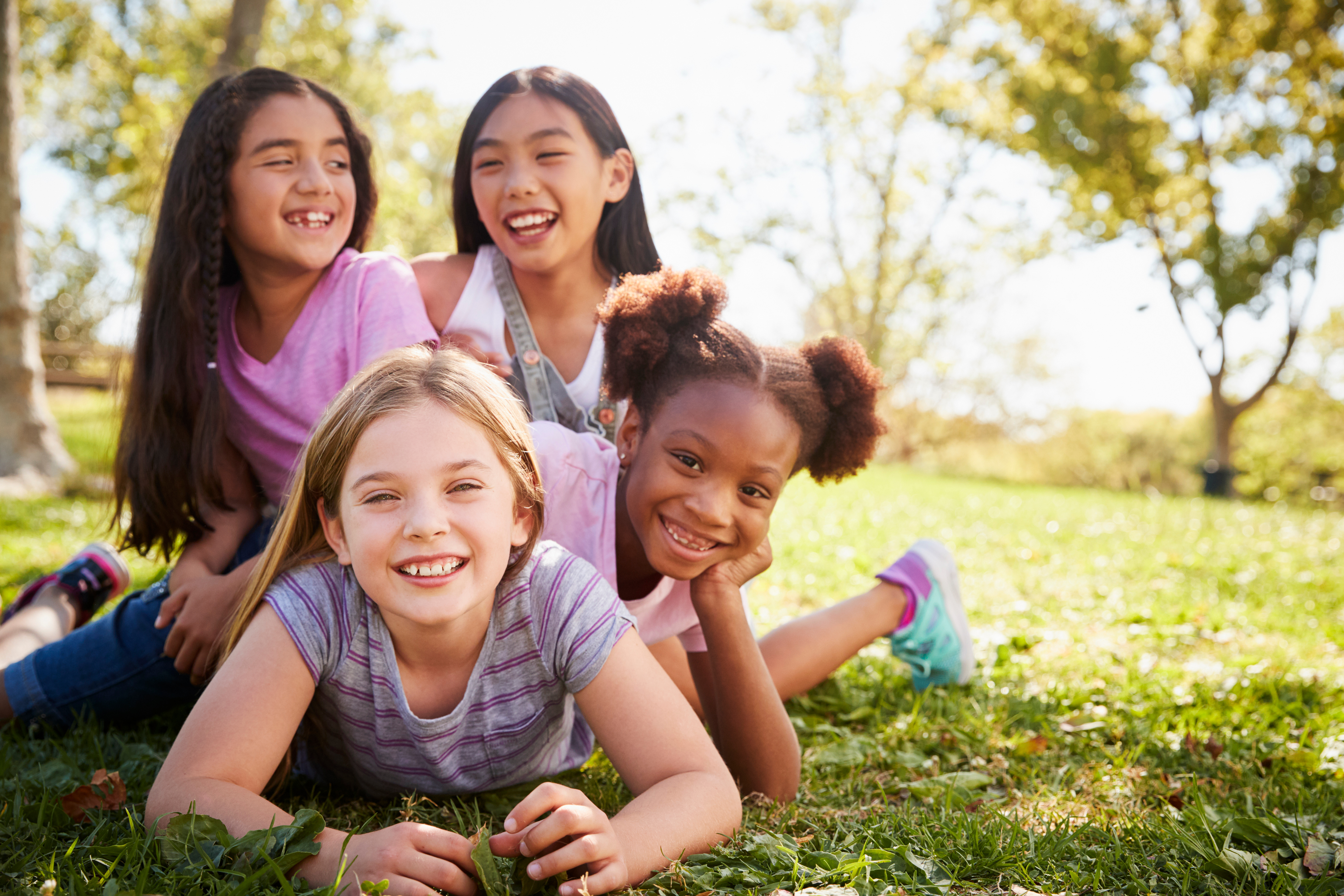
Many youth development interventions focus on two critical periods of childhood: the early years and the adolescent years. While there is a lot of data to suggest that these are the two greatest periods of change for youth, we also know that every year of childhood should be filled with growth and development. By continually emphasizing the importance of early childhood and adolescence, we sometimes forget about the years in between. Middle childhood, which includes ages six to twelve, is a time when kids’ brains are strengthening the connections formed in early childhood and are laying the foundations for more complex development during adolescence.
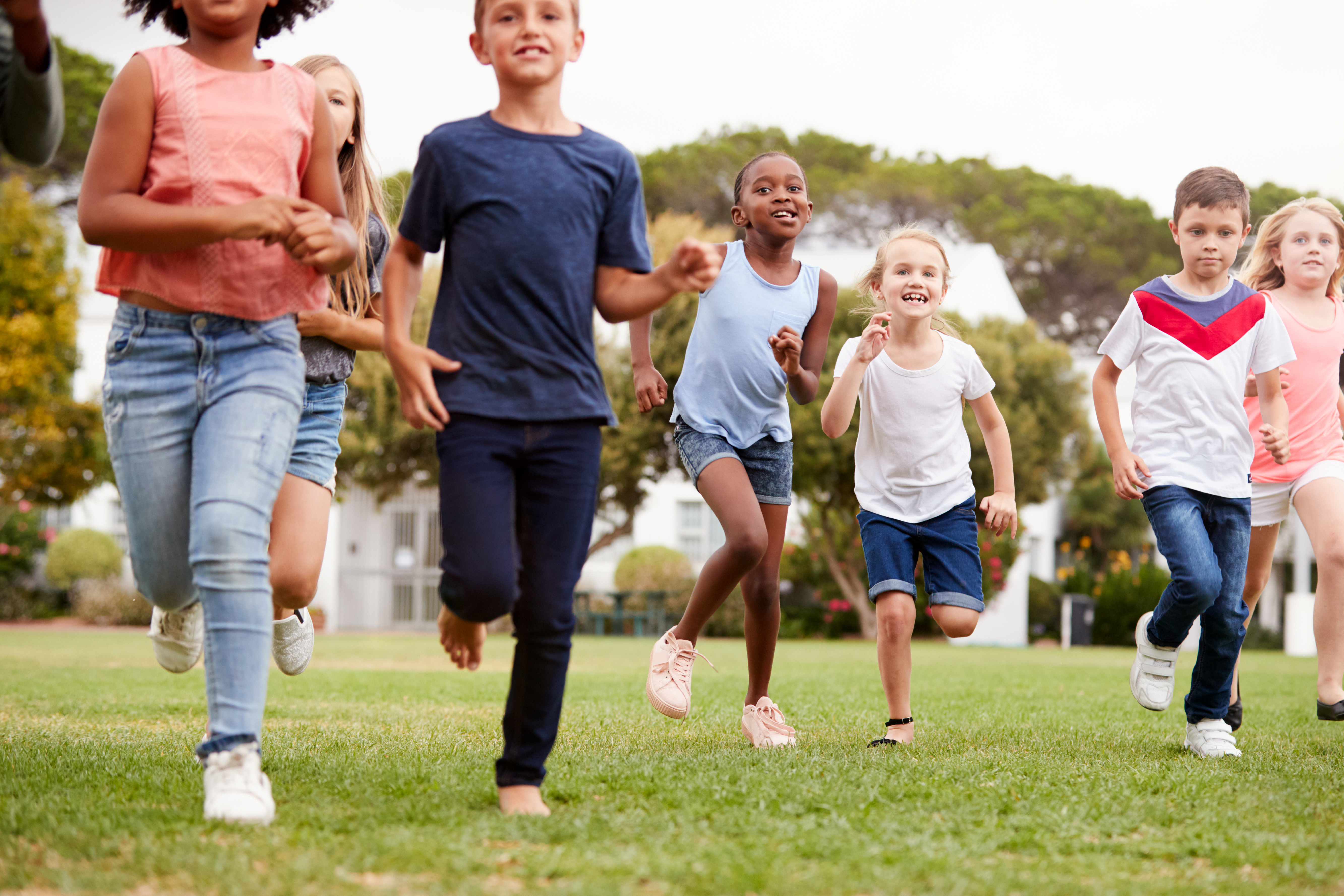
Kids need safe environments and healthy relationships with adults during middle childhood in order to form positive patterns that will last into adulthood. Unfortunately, pre-teens and other kids in middle childhood are experiencing rising rates of anxiety and depression, which is likely a precursor to the loneliness epidemic currently raging among adolescents. Because middle childhood has been left out of research and targeted programming for so long, some scientists call this period “the forgotten years.”We need to supplement existing interventions in early childhood and adolescence with additional support for kids in between. If we fail to pay attention to young people in middle childhood, the progress kids experience from interventions in early childhood may be lost and will have to be rebuilt during interventions in adolescence. While bolstering programs for elementary and middle schoolers requires an additional input of resources, it ultimately helps programs for pre-K kids and high schoolers be more efficient and successful.
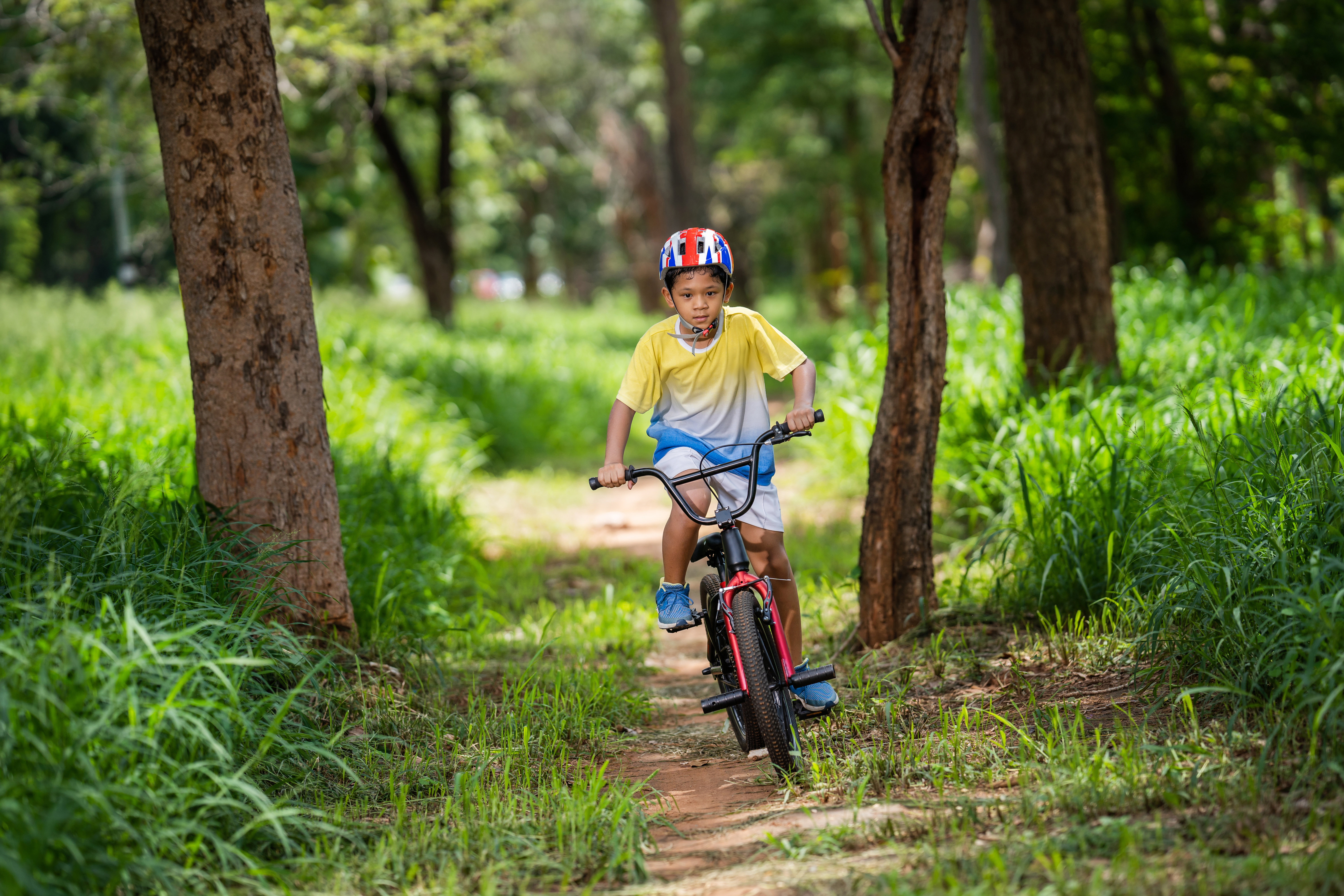
This kind of effort necessitates a community-wide approach. Schools should be responsive to the developmental needs of middle childhood, but we also need programming and mental health services that extend beyond school hours. Middle childhood is a vital time for social and intellectual exploration. After-school and summer programs help kids connect to peers, find mentors, and figure out their interests beyond the classroom. Kids in this age group are becoming more independent, beginning to test boundaries, and developing a sense of self. Sports, summer camps, and other forms of recreation give youth age-appropriate structures to engage in exploration while also boosting social connection.
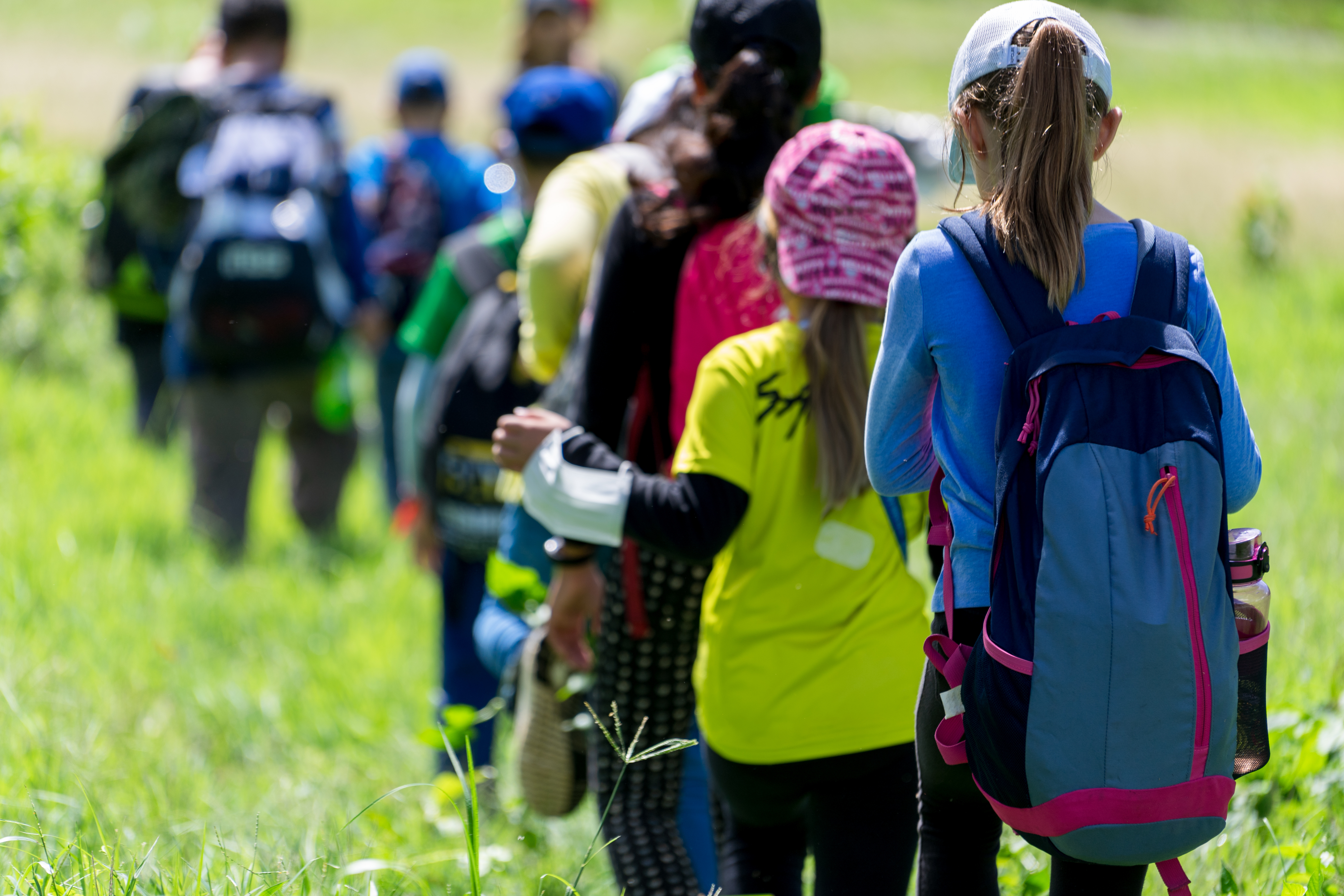
It is especially important to help make youth programming accessible to all kids in middle childhood. Programs like Head Start help kids of all income levels access support during early childhood. Similarly, kids in middle childhood should not miss out on out-of-school programming simply because their families can’t afford expensive camps or they live in an area with less resources. This is why NRF is proud to support organizations that boost access to meaningful recreation experiences for all kids ages six to twenty-four.