
Blog
Getting Outside When Outside Is Getting Hotter
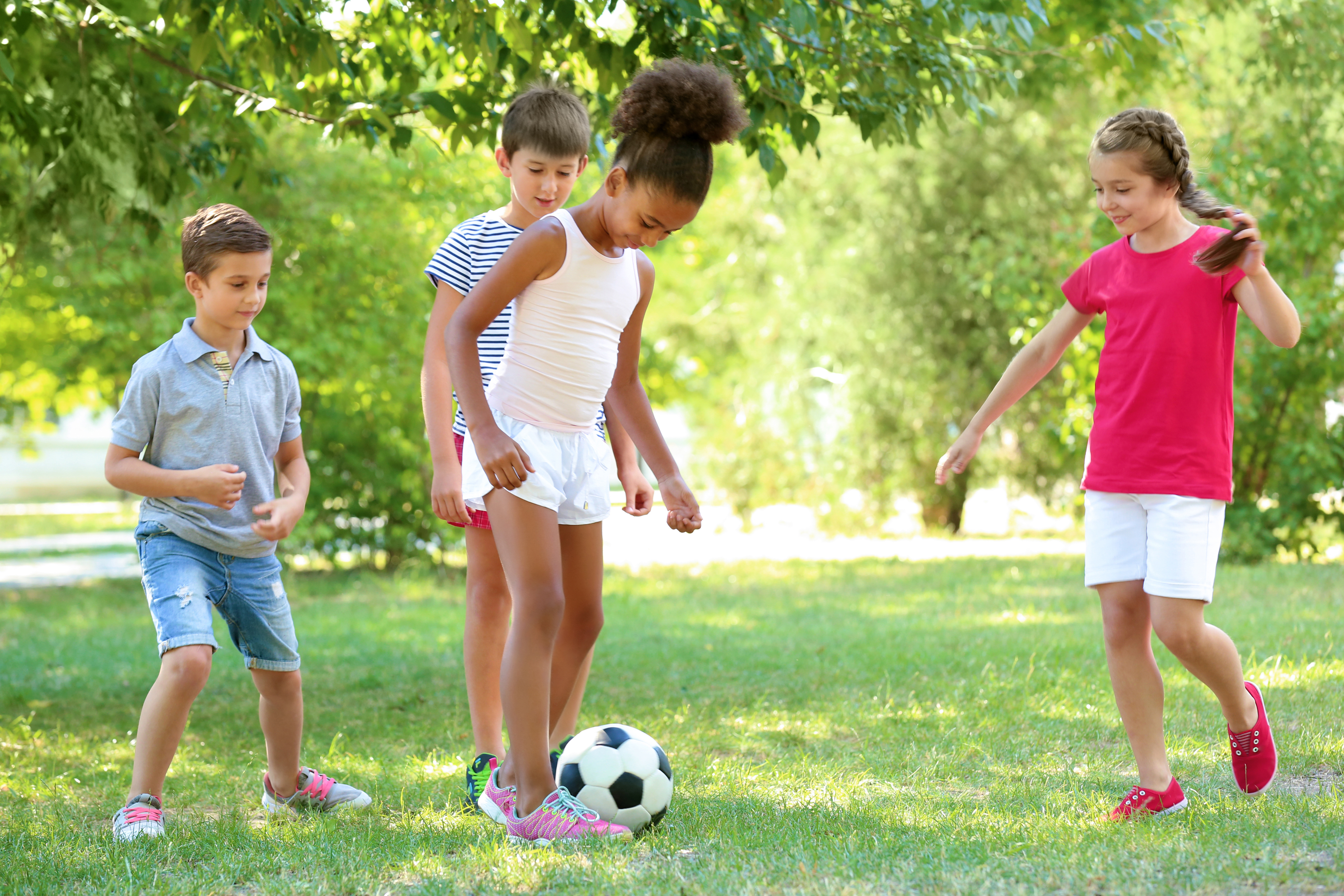
Summer is peak season for outdoor recreation. Families head outside to enjoy picnics, walks, and bike rides. Many outdoor recreation and education organizations have busy summer programming schedules while kids are out of school and the weather is warm. Unfortunately, good weather for being outside is becoming increasingly less reliable. A 2024 study from MIT researchers quantified the impacts of climate change as the number of “outdoor days” a region experiences per year. Outdoor days occur when temperatures are neither too hot nor too cold for people to go about normal outdoor activities while staying reasonably comfortable and not risking harm from exposure. The number of outdoor days has changed significantly in the last 50 years due to climate change. Some areas are experiencing warmer winters, which may increase the number of outdoor days in that region, and many areas are experiencing hotter summers, which decreases the number of outdoor days in those regions.
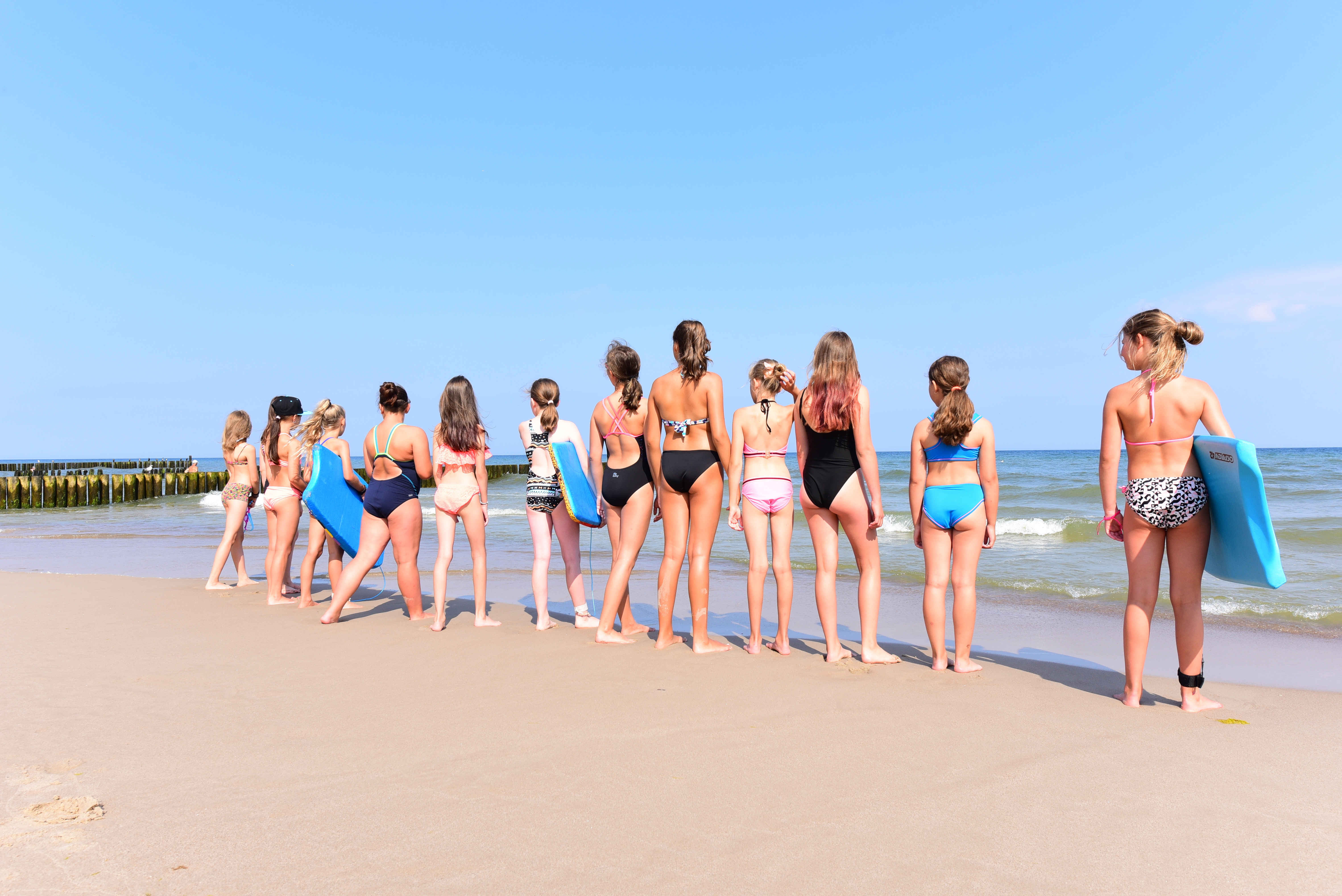
For example, the Southwestern U.S. has lost 23% of its annual outdoor days since 1976. The Southeast also stood out in the researchers’ models as a region that is poised to continue losing a significant number of outdoor days each year. These changes to summer temperatures are affecting the health of people who live there, the ways kids can spend time outside and connect with nature, and the economic viability of tourism and recreation industries. Even colder regions that are seeing an increase in outdoor days due to warmer winters are facing negative impacts. Longstanding hubs of winter recreation are facing limited snowfall and early melting due to changing temperatures. Further, researchers predict that increasingly hotter temperatures will ultimately limit outdoor days in summer, even in areas not currently seeing severe impacts from climate change.
While temperatures are a major driver of climate-related changes to recreation, there are other factors at play as well. Widespread droughts make water-based activities more challenging, wildfires compromise air quality making physical exertion outdoors less safe, and severe storms add increased risk to spending extended time outside without shelter. This combination of climate impacts is not good news for outdoor recreation. It is not, however, a hopeless cause.
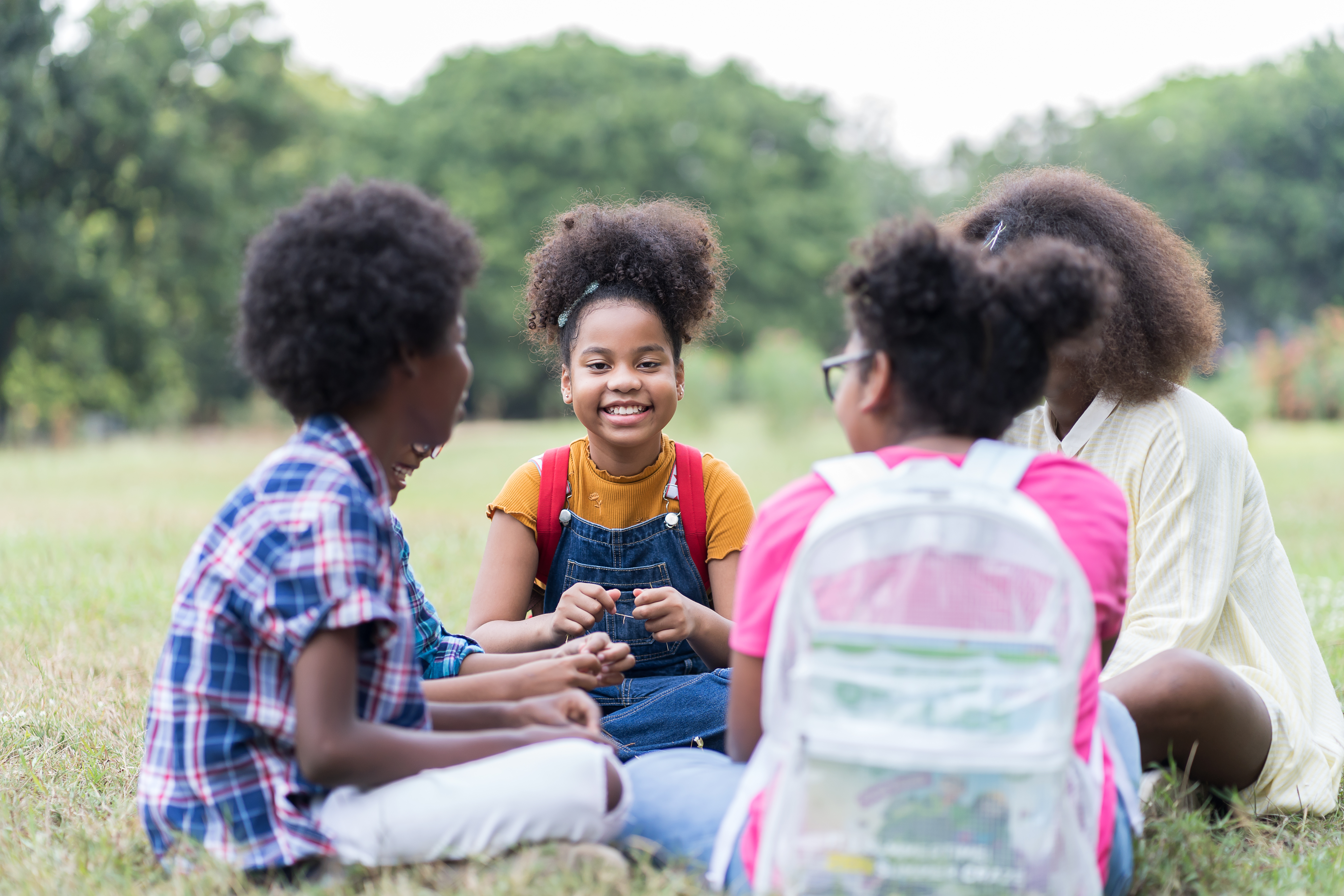
We know that vegetation is extremely effective at mitigating heat. By investing in greenspaces, we can both reduce extreme heat and provide spaces for people to enjoy the outdoors. Most communities in the U.S. have disparities in tree cover and in access to parks and greenways along racial and socioeconomic lines. This means that residents in those areas are experiencing the brunt of climate impacts and are less able to participate in outdoor recreation. Adding more equitably distributed vegetation to our communities through added greenspace is a great way to address both these problems.
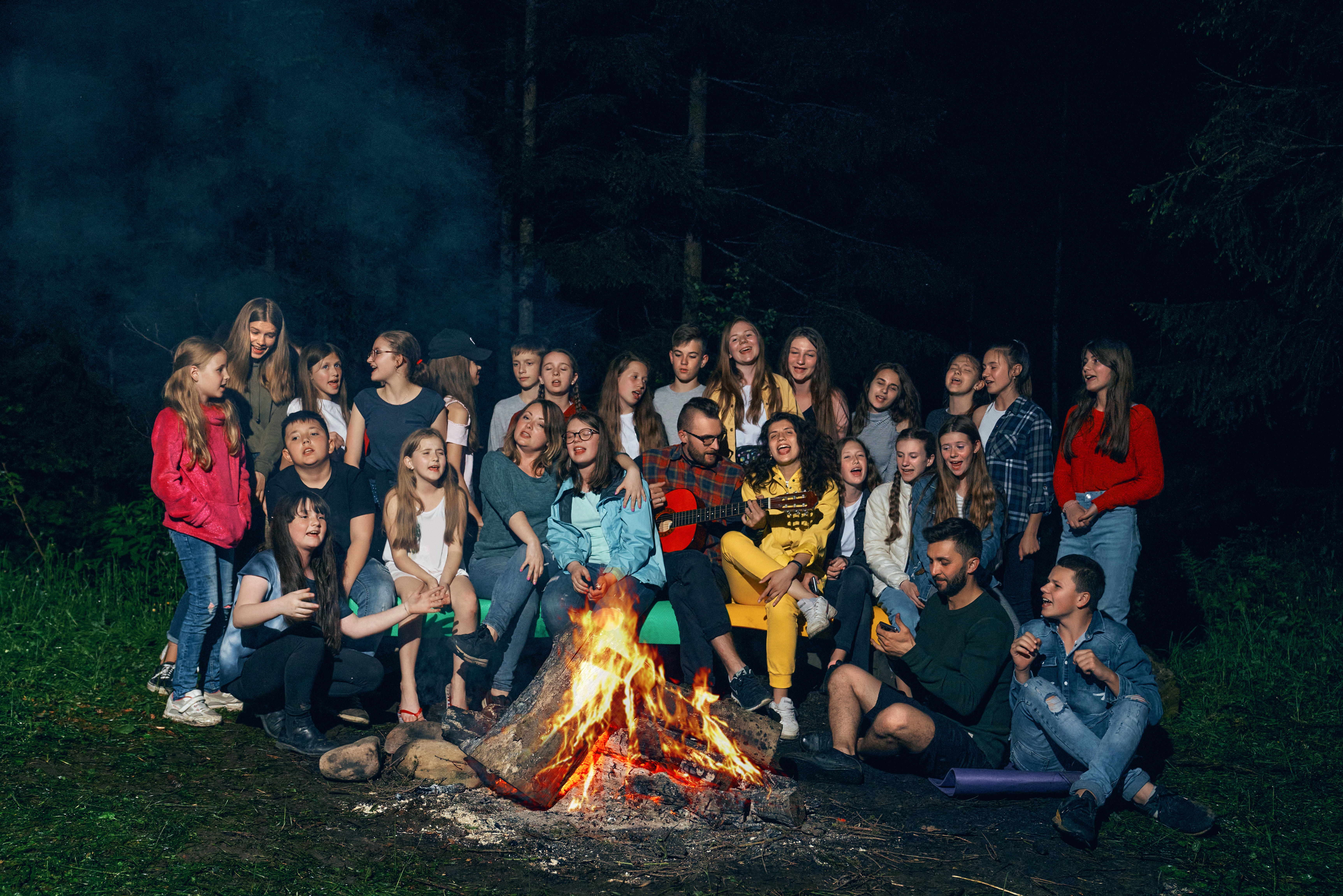
There are a range of other ways to support outdoor recreation amidst extreme heat. For example, communities can invest in public cooling spaces that provide respite for anyone spending extended periods outdoors. Local parks can integrate water-based play spaces that use recycled water sources to be sensitive to drought conditions while also providing fun places for kids to play safely outside in the heat. Outdoor-based programs can also shift schedules to capitalize on cooler mornings and evenings and keep kids out of the sun during peak afternoon heat.
Regardless of the exact approach, it is essential that we keep finding ways to help kids have fun and learn outdoors. Time in nature is good for kids’ mental and physical health and good for all of us as we foster a sense of environmental stewardship in the next generation. We’re proud of all the ways NRF grantees help get kids outdoors and connected to their communities.