
Blog
- access to greenspace (1)
- access to nature (3)
- action agenda (1)
- adolescence (2)
- adolescent pressures (1)
- advisory council (1)
- afterschool programming (1)
- afterschool programs (3)
- agricultural economies (1)
- agricultural education (1)
- air pollution (1)
- altruism (1)
- american camp association (1)
- american teenagers (1)
- aspen institute (1)
- barriers to access (1)
- barriers to recreation (1)
- bicycle ride across georgia (1)
- bikepacking (1)
- black history month (1)
- black kids adventures (1)
- blue sky funders forum (1)
- boatbuilding (1)
- brothers on the rise (1)
- brown girls climb (1)
- burnout (1)
- Camping & Education Foundation (1)
- career exploration (1)
- career path (1)
- center for american progress (1)
- center for digital thriving (1)
- center for healing and justice through sport (1)
- center for recreation education arts technology and enterprise (1)
- charles crenshaw (1)
- chicago (3)
- children & nature network (1)
- cincinnati (1)
- city planning (1)
- City Sailors (1)
- classroom resources (1)
- climate anxiety (1)
- climate change (5)
- climate change mitigation (1)
- climate research (1)
- climate solutions (1)
- coach training (1)
- community action (1)
- community connection (1)
- community organizations (1)
- community partners (1)
- community partnership (1)
- community programming (1)
- community schools (1)
- community science (1)
- community wellbeing (1)
- connection to nature (3)
- Conservation Leadership (1)
- conservation science partners (1)
- CREATE (1)
- cultural connection (1)
- dam removal (1)
- data analysis (1)
- decision making (1)
- developmental outcomes (1)
- diné we can (1)
- duke marine lab community science initiative (1)
- early childhood (1)
- eco-chaplains (1)
- ecological resilience (1)
- efficacy (1)
- environmental action (2)
- environmental advocacy (1)
- environmental education (1)
- Environmental Education (1)
- environmental ethic (1)
- environmental jobs (1)
- environmental justice (2)
- environmental leaders (1)
- environmental movement (2)
- environmental sector (1)
- equity outdoors (1)
- experiential education (1)
- experiential learning (2)
- extracurricular programming (1)
- extracurricular programs (1)
- extreme heat (1)
- Families in Nature (1)
- food production (1)
- foster care (1)
- fresh tracks (1)
- gardeneers (1)
- Get into nature (1)
- grand canyon national park (1)
- grand canyon youth (1)
- grantee support (1)
- green jobs (1)
- green schoolyards (1)
- greenspace access (1)
- hands on learning (1)
- harvard graduate school of education (1)
- hattie carthan (1)
- healthcare access (1)
- Heather Kuhlken (1)
- hispanic access foundation (1)
- history of camps (1)
- holistic grantmaking (1)
- holistic philanthropy (2)
- holistic youth development (1)
- human health disparities (1)
- hurricane helene (1)
- identity development (1)
- inclusive environments (1)
- indiana university lily family school of philanthropy (1)
- indigenous leadership (1)
- indigenous philanthropy (1)
- indigenous youth (1)
- Indigenous youth (1)
- informal learning sector (1)
- infrastructure funding (1)
- integrated resource networks (1)
- Intergenerational Programming (1)
- intergenerational recreation (1)
- job boards (1)
- john francis (1)
- justice outside (1)
- juvenile justice system (1)
- k-12 teachers (1)
- klamath river (1)
- laru beya collective (1)
- learn to sail (1)
- LGBTQ+ youth (2)
- local food systems (1)
- localogy (1)
- long distance cycling (1)
- lower brule wildlife (1)
- matthew henson (1)
- mental health crisis (1)
- mentorship (1)
- message testing (1)
- middle childhood (1)
- minneapolis (1)
- museum of the rockies (1)
- narrative hub (1)
- national academies of sciences engineering and medicine (1)
- National Recreation Foundation (2)
- national recreation foundation (2)
- native americans in philanthropy (1)
- natural disaster response (1)
- natural history (1)
- nature access (2)
- Nature Community (1)
- nature gap report (1)
- nature play (1)
- nature-based art (1)
- nature-based learning (1)
- nc state environmental education lab (1)
- nearby nature (4)
- non-extractive evaluation (1)
- nonprofit funding (1)
- nonprofit sector (1)
- north carolina (1)
- northern arizona university (1)
- out of school time (3)
- out-of-school-time (1)
- outdoor access (2)
- outdoor afro (1)
- outdoor days (1)
- outdoor education (3)
- outdoor funders (1)
- outdoor grants (1)
- outdoor inclusion coalition (1)
- outdoor leadership (2)
- outdoor recreation (10)
- paddle tribal waters (1)
- peer mentorship (1)
- personal resilience (1)
- philanthropic funding (1)
- philanthropy (2)
- Place based learning (1)
- planet walkers (1)
- portland (1)
- positive youth development (5)
- pride month (2)
- program expansion (1)
- ready set resilience (1)
- reciprocal philanthropy (1)
- recreation access (1)
- recreation research (1)
- recreaton research (1)
- refugee communities (1)
- refugee education and adventure challenge (1)
- research translation (1)
- responsible growth (1)
- rethink outside (1)
- ríos to rivers (1)
- river restoration (1)
- river trips (1)
- robert taylor (1)
- rue mapp (1)
- SailMaine (1)
- school farms (1)
- school gardens (1)
- school partnerships (1)
- scientific research (1)
- self care (2)
- she jumps (1)
- Sneaky Science (1)
- social emotional learning (1)
- social media (1)
- soul track outdoors (1)
- special grants (1)
- state of global air (1)
- storytelling (1)
- suicide prevention (1)
- summer camp (1)
- summer camps (1)
- summer learning loss (2)
- summer programming (1)
- summertime (1)
- supportive adults (1)
- survey data (1)
- teamwork (1)
- teen stress (1)
- test audiences (1)
- the trevor project (1)
- time in nature (2)
- tom's of maine (1)
- toms of maine (1)
- tourism industry (1)
- tree maintenance (1)
- tribal communities (1)
- trustee grants (1)
- turner foundation (1)
- university of michigan (1)
- urban agriculture (1)
- urban flooding (1)
- urban forestry (1)
- urban greenspace (1)
- urban tree planting (1)
- urban wilderness program (1)
- wallace foundation (1)
- warren washington (1)
- water sports (1)
- waterfront access (1)
- whitewater paddling (1)
- youth burnout (2)
- youth cycling (1)
- youth decision making (1)
- youth development (8)
- youth engagement (1)
- youth health outcomes (1)
- youth homelessness (1)
- youth interventions (1)
- youth leaders (1)
- youth mental health (6)
- youth mentorship (2)
- youth outcomes (1)
- youth outdoor recreation (2)
- youth programming (1)
- youth programs (2)
- youth recreation (6)
- youth recreation outcomes (1)
- youth seen (1)
- youth sports (2)
- youth voice (2)
- youth wellbeing (2)
- ywca (1)
Nature Contact and Philanthropic Practices Help Reduce Stress

Young people in the U.S. face a lot of pressure. A recent report using data from Harvard researchers shows that American teens experience pressure in six different categories: pressure to have a plan for their next steps in life, pressure to impress others through their achievements, pressure to look or present in a certain way, pressure to have an active and visible social life, pressure to be available to friends, and pressure to be informed about and active on important issues. These pressures have some positive outcomes. They can lead teens to be engaged at school, support their friends, and get involved in their community. Ongoing elevated stress levels related to these pressures also have negative effects. Over one quarter of teens in the study said they were actively struggling with feelings of burnout. These outcomes are not evenly distributed. Girls and non-binary teenagers demonstrated higher feelings of pressure than boys and LGBTQ+ teens also showed higher levels of stress in all categories.
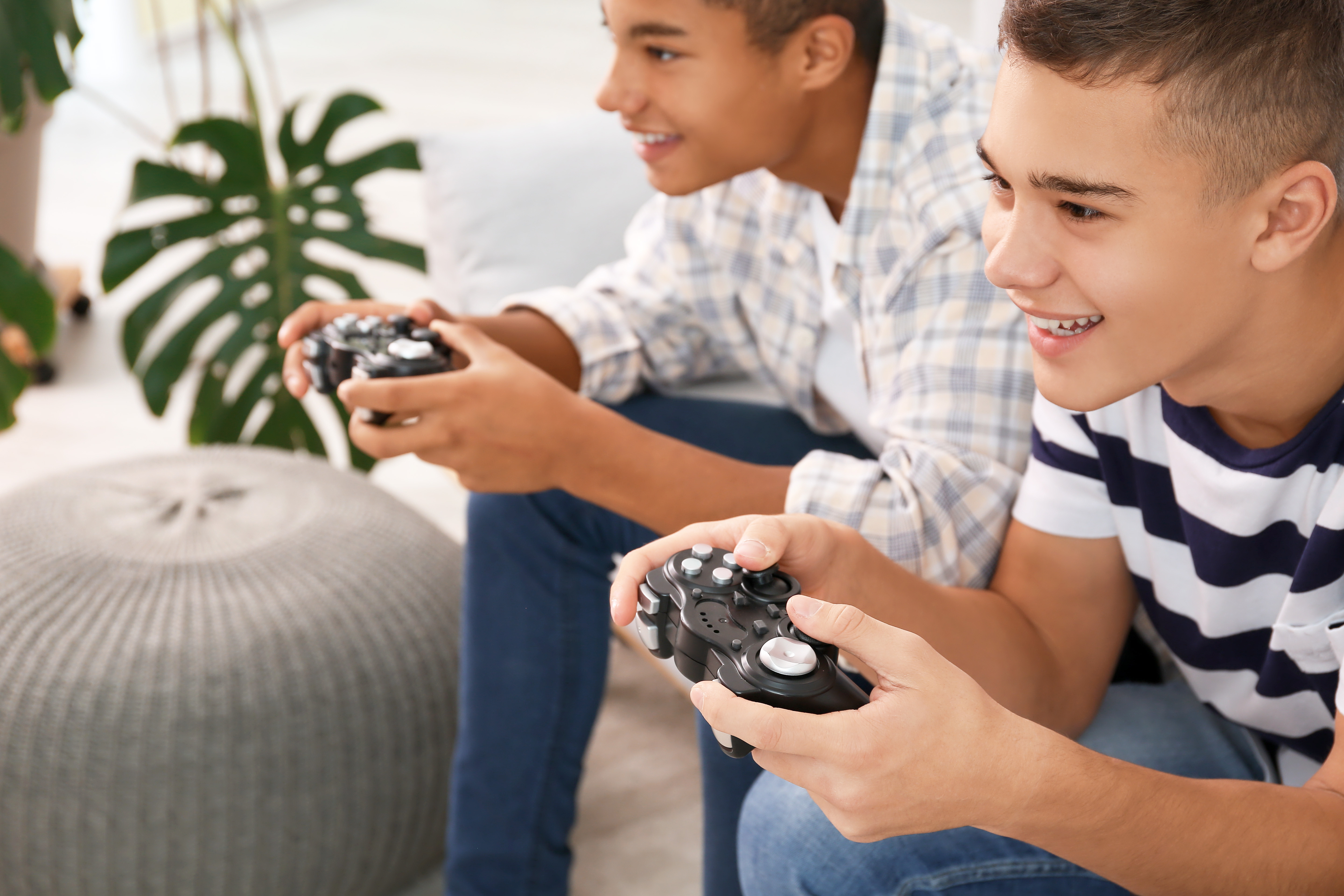
The report outlines the role of social media in this issue. While social media can worsen pressure on teenagers, it can also have a mitigating effect in certain scenarios. Not surprisingly, apps like Instagram, Snapchat, and TikTok can exacerbate pressure to conform to specific types of physical appearance and pressure to have an active social life. Messaging and social gaming apps, however, seem to play an important role in helping teens form community and feel connected to their peers. In particular, social gaming in particular is an important outlet for many young people. Research has shown that social gaming can reduce stress and act as an escape from daily pressures of school, family, and work. Online communities also help teens with marginalized identities find connection and support outside of their immediate surroundings.
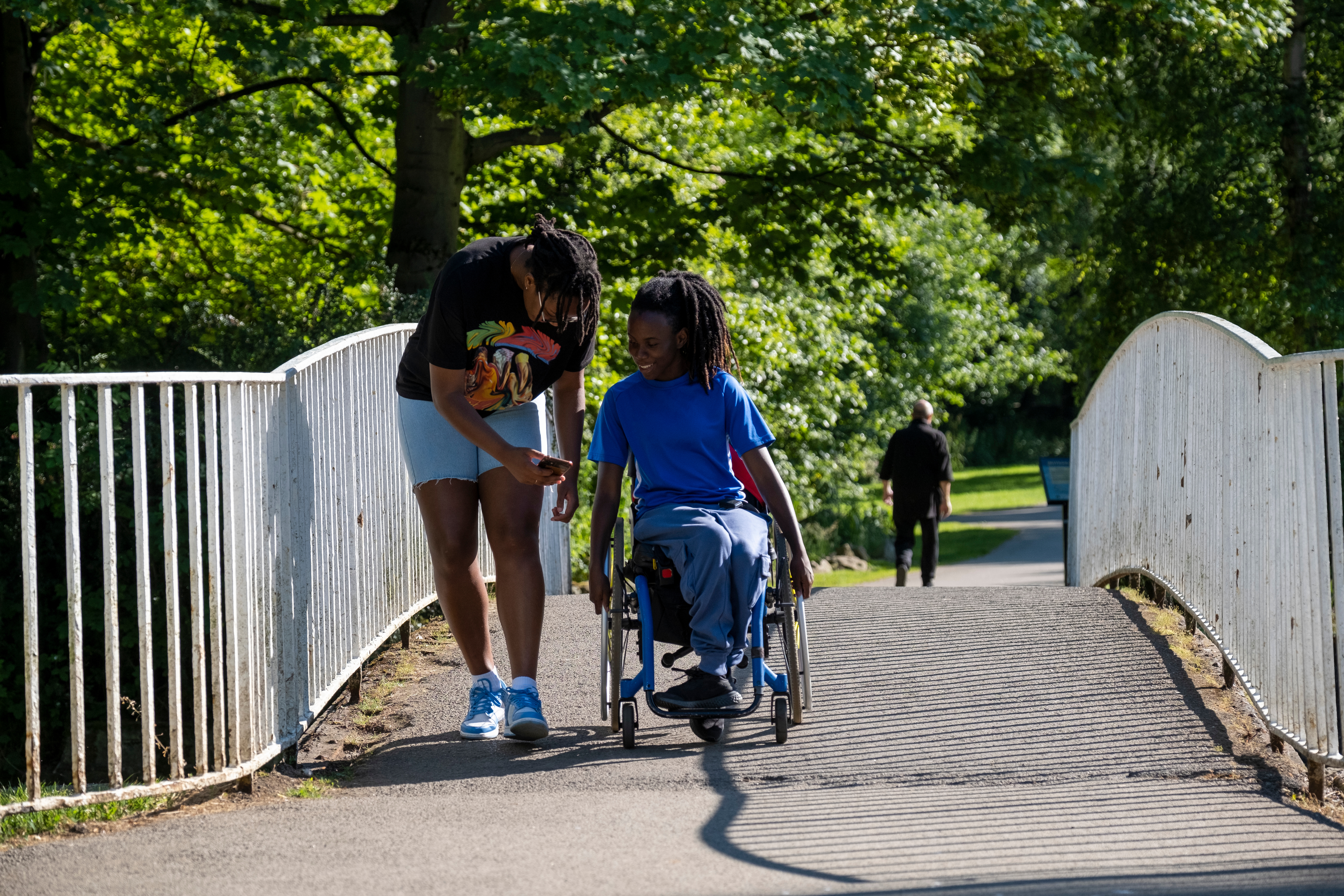
Additional practices exist that are proven to mitigate the impact of stress. One of these is spending time in nature. Regular contact with greenspace can help regulate both the physical symptoms and emotional experience of stress. Something as simple as sitting or walking outside for 20 to 30 minutes has a huge impact on wellbeing if it becomes a regular practice. Spending time outdoors, however, is not as straightforward as it may seem. Many young people do not have access to safe greenspace in their communities. Introducing greenspace in schools is one way to help young people better access the stress relieving properties of nature, but greenways and neighborhood parks are also important resources for young people to connect with nature and get away from daily pressures. Another important practice for preventing burnout and relieving stress is engaging in philanthropic activities. Altruism releases endorphins, which boosts wellbeing and lowers cortisol levels, which reduces anxiety. While some forms of altruism, like donating money, aren’t feasible for everyone, volunteering time with a local organization or helping out neighbors are great ways to build philanthropic practices into daily life.

Philanthropic practices and time in nature are not silver bullet solutions to the problem of chronic stress among youth. They are part of a constellation of practices that can mitigate the pressures young people feel every day. As adults, it is our duty to help protect and promote access to natural spaces, so they are available for the enjoyment and wellbeing of generations to come.